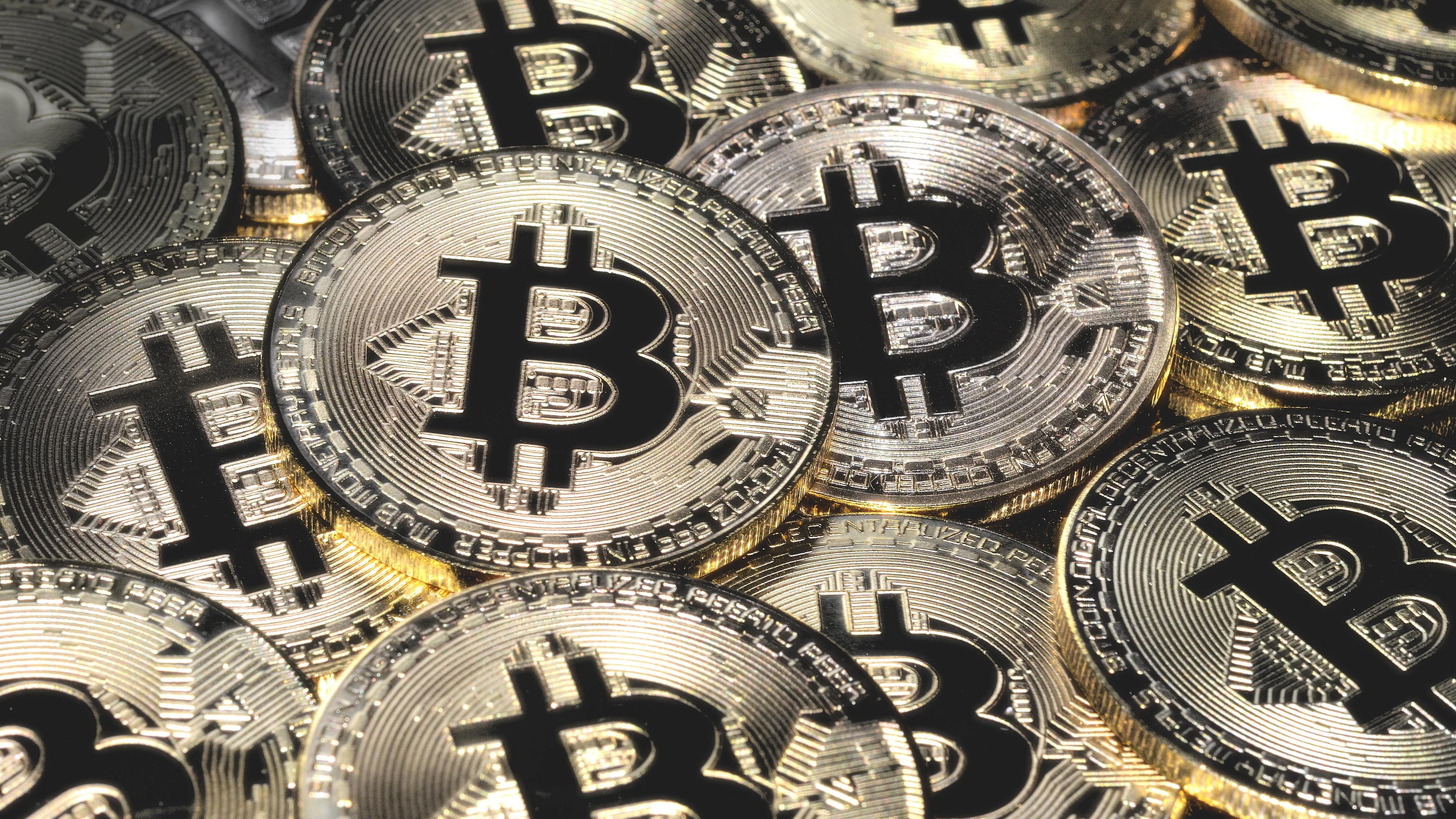
Stablecoin and Ethereum Casinos: A New Way to Play Online
Cryptocurrency has become another way for online casino players to fund their accounts, but Bitcoin is no longer the only option. As the crypto ecosystem has expanded, players can now encounter stablecoins, Ethereum-based tokens, and other digital assets when exploring casino payment methods.
For players interested in stablecoin casinos, the main attraction is often the combination of blockchain-based payments and reduced exposure to the price swings associated with assets such as Bitcoin and Ether. Ethereum can also support smart contracts and decentralized applications, creating additional possibilities for crypto-based platforms.
However, crypto payments work differently from credit cards, bank transfers, and e-wallets. Network fees, wallet security, supported currencies, and withdrawal rules can all affect the experience. Understanding how these systems work can help players make informed decisions before depositing.
What Are Stablecoins and Why Are They Used?
Stablecoins are cryptocurrencies designed to maintain a relatively stable value, commonly by being linked to an asset such as the US dollar. Ethereum.org describes USDC and USDT as examples of fiat-backed stablecoins, with mechanisms intended to maintain a value close to their underlying currency.
This can make stablecoins different from cryptocurrencies whose market prices can change substantially over short periods.
Price Stability vs Volatile Cryptocurrencies
Cryptocurrencies such as ETH can experience significant price movements. If a player deposits an asset that changes in value between the time it is purchased and the time it is used, the fiat value of that balance can move even if the amount of cryptocurrency stays the same.
Stablecoins are designed to reduce this type of exposure. A dollar-linked stablecoin, for example, aims to maintain a value close to $1 rather than following the market price movements of ETH or Bitcoin.
That does not mean stablecoins are completely risk-free or guaranteed to maintain their target value in every situation. Their stability depends on the structure and reserves supporting each particular asset.
Common Stablecoins Used at Online Casinos (USDT, USDC)
USDT and USDC are two widely recognized stablecoins. Both can exist on Ethereum, although they may also be available on other blockchain networks.
The important detail for casino users is to check which network and token standard the casino supports. Sending a token through an unsupported network can result in funds being delayed or potentially lost.
Ethereum.org identifies both USDT and USDC among the prominent stablecoins on Ethereum.
How Ethereum Casinos Work
An ethereum casino may allow users to deposit or withdraw using ETH or Ethereum-based tokens. Some crypto gambling platforms may also use blockchain technology or smart contracts as part of their underlying systems.
The exact setup varies between operators, so players should check how the casino handles deposits, withdrawals, game outcomes, and account balances rather than assuming every Ethereum casino (https://rollrush.com/best-crypto-casinos) operates in the same way.
Smart Contract-Based Platforms
Smart contracts are programs stored on a blockchain that execute according to predefined rules. On Ethereum, they are a fundamental part of the network's application layer.
A platform can use smart contracts for specific functions, such as processing token transfers or interacting with blockchain-based applications. However, the presence of Ethereum or a smart contract does not automatically mean an entire casino is decentralized.
Players should therefore examine the casino's own terms, licensing information, game provider details, and payment procedures before depositing.
Smart contract transactions also require users to understand what they are signing. Ethereum.org warns that blindly signing transactions can create security risks, particularly when users cannot clearly see what a contract interaction will do.
Transaction Speed and Gas Fees
Ethereum transactions require network fees known as gas. These fees compensate the network for the computational resources required to process transactions, and the amount can change according to network demand and the complexity of the transaction.
For example, a simple ETH transfer uses less computational work than a more complicated smart contract interaction. Token transactions can also require gas.
One important point for newcomers is that Ethereum gas fees are paid in ETH. So, even if you are transferring an Ethereum-based stablecoin such as USDC, you may need some ETH available in the wallet to cover the network fee, depending on how the transaction is handled.
Ethereum layer-2 networks can offer different fee structures and are designed to process transactions with lower costs than the Ethereum mainnet in many circumstances.
Benefits of Stablecoin and Crypto Casino Payments
Crypto-based transactions can provide a different payment experience from conventional banking. Crypto casino payments may appeal to users who already hold digital assets and want to use them without first converting everything into traditional currency.
The advantages, however, depend on the casino, blockchain network, token, and user's location.
Faster Transactions Than Traditional Banking
Blockchain transactions do not follow the same processing path as bank transfers. Once a transaction is submitted, it is broadcast to the network and must be included in a validated block before it is confirmed.
This can make crypto deposits convenient when a casino credits deposits after receiving the required blockchain confirmation.
Withdrawals are different. A casino may need to conduct its own review before sending a withdrawal, meaning blockchain technology alone does not guarantee an instant payout.
Reduced Volatility Risk
Stablecoins can reduce one specific concern associated with cryptocurrency payments: exposure to the price movements of volatile digital assets.
If a player holds a dollar-linked stablecoin, its intended value is much closer to $1 than the market price of ETH or Bitcoin. This can make budgeting easier compared with holding a volatile cryptocurrency.
Still, stablecoins are not identical to holding dollars in a bank account. Users should understand the issuer, reserves, redemption arrangements, network, and risks associated with the particular stablecoin they use.
Payment Transparency
Blockchain transactions create records that can generally be viewed using a blockchain explorer. Ethereum transactions include details such as the sender, recipient, transaction value, and other technical information.
This can make it possible to verify whether a transaction has been submitted or confirmed without relying solely on a bank statement.
Transparency does not mean that every aspect of an online casino's operation is visible on the blockchain. Account balances, wagering requirements, withdrawal reviews, and other operator-side processes may remain off-chain.
What to Watch For Before You Deposit
Crypto payments can be convenient, but they also introduce responsibilities that may not apply to traditional payment methods.
Before making a deposit, check the casino's accepted currencies, supported networks, fees, minimums, withdrawal rules, and applicable terms.
Network Fees
A crypto deposit is not necessarily free. Blockchain networks can charge transaction fees, and the amount depends on factors such as the network, transaction type, and current demand.
Ethereum calls these fees gas. More complicated transactions, including smart contract interactions, can require more gas than straightforward transfers.
Always check the estimated fee before confirming a transaction, particularly when making a relatively small deposit.
Wallet Security Basics
A crypto wallet gives you control over digital assets through cryptographic keys. That control also means security is important.
Basic precautions include:
- Use a reputable wallet provider.
- Keep your recovery phrase private and offline.
- Never share your private keys or recovery phrase.
- Double-check the casino's deposit address before sending funds.
- Confirm that the blockchain network matches the casino's instructions.
- Be cautious when connecting a wallet to unfamiliar websites.
- Review transaction details before signing them.
A blockchain transaction generally cannot be reversed simply because a user entered the wrong address or network. Taking a moment to verify the details can therefore be important.
Casino-Side Crypto Support Limitations
Not every casino supports every cryptocurrency or blockchain network. A casino might accept USDT on one network but not another, for example.
Payment options can also vary by jurisdiction, account status, currency, and operator. Before sending funds, verify the casino's current payment page and terms.
It is also worth checking whether the casino processes crypto withdrawals directly or converts balances through another system. Deposit and withdrawal methods do not always work identically.
FAQs About Stablecoin and Ethereum Casinos
Q1: What is a stablecoin casino?
A stablecoin casino is an online casino that accepts one or more stablecoins as a payment method. Stablecoins such as USDT and USDC are designed to maintain a relatively stable value, often around a fiat currency such as the US dollar.
The casino itself does not necessarily need to be decentralized simply because it accepts stablecoins.
Q2: Is playing at an Ethereum casino safe?
Safety depends on the specific casino, its licensing and regulatory status, security practices, payment procedures, and the user's own wallet security.
Using Ethereum does not automatically make a casino trustworthy or unsafe. Players should independently check the operator's terms, available protections, accepted payment networks, and applicable rules before depositing.
Q3: Do stablecoins avoid crypto price volatility?
Stablecoins are designed to reduce price volatility relative to assets such as ETH and Bitcoin. Fiat-backed stablecoins such as USDC and USDT aim to maintain a value linked to their underlying currency.
However, stablecoins are not completely free from risk. Their value can deviate from their target, and users also face risks related to issuers, reserves, wallets, networks, and platforms.
Q4: Are transaction fees high on Ethereum casinos?
Not necessarily. Ethereum gas fees change according to network conditions and the complexity of the transaction. A simple transaction and a smart contract interaction can have different gas requirements.
Layer-2 networks can also provide lower-cost transaction options, although whether they are available depends on the casino and token being used.
Q5: Can I withdraw stablecoin winnings to my bank account?
That depends on the casino and the payment services available in your jurisdiction. Some platforms may require you to withdraw cryptocurrency to a wallet first and then use a separate regulated exchange or service to convert it to fiat.
Check the casino's withdrawal methods and any applicable identity, banking, and geographic restrictions before depositing.
Conclusion
Stablecoins and Ethereum provide online casino users with alternatives to traditional payment methods and volatile cryptocurrencies. Stablecoins such as USDT and USDC can offer a digital payment option designed to reduce exposure to cryptocurrency price swings, while Ethereum provides the infrastructure for token transfers and smart contract applications.
For players already familiar with crypto wallets, stablecoin casinos and Ethereum-based crypto casino payments may be a convenient option. They can also suit users who understand blockchain transactions and are comfortable managing wallet security and network fees.
Before depositing, always verify the casino's supported currency and network, transaction costs, withdrawal requirements, security practices, and applicable terms. Crypto payments can be useful, but they are not a substitute for checking whether a particular casino is appropriate and legitimate for your situation.
For more information about digital-currency casino payments, game mechanics, and responsible play, explore Roll Rush's crypto casino guides.